

People and Nature coming together to produce delicious food ingredients in Fukushima
Fukushima prefecture with its mountains, rivers and coast is blessed with bountiful nature. It is in this land that local farmers work tirelessly to produce a cornucopia of delicious ingredients.
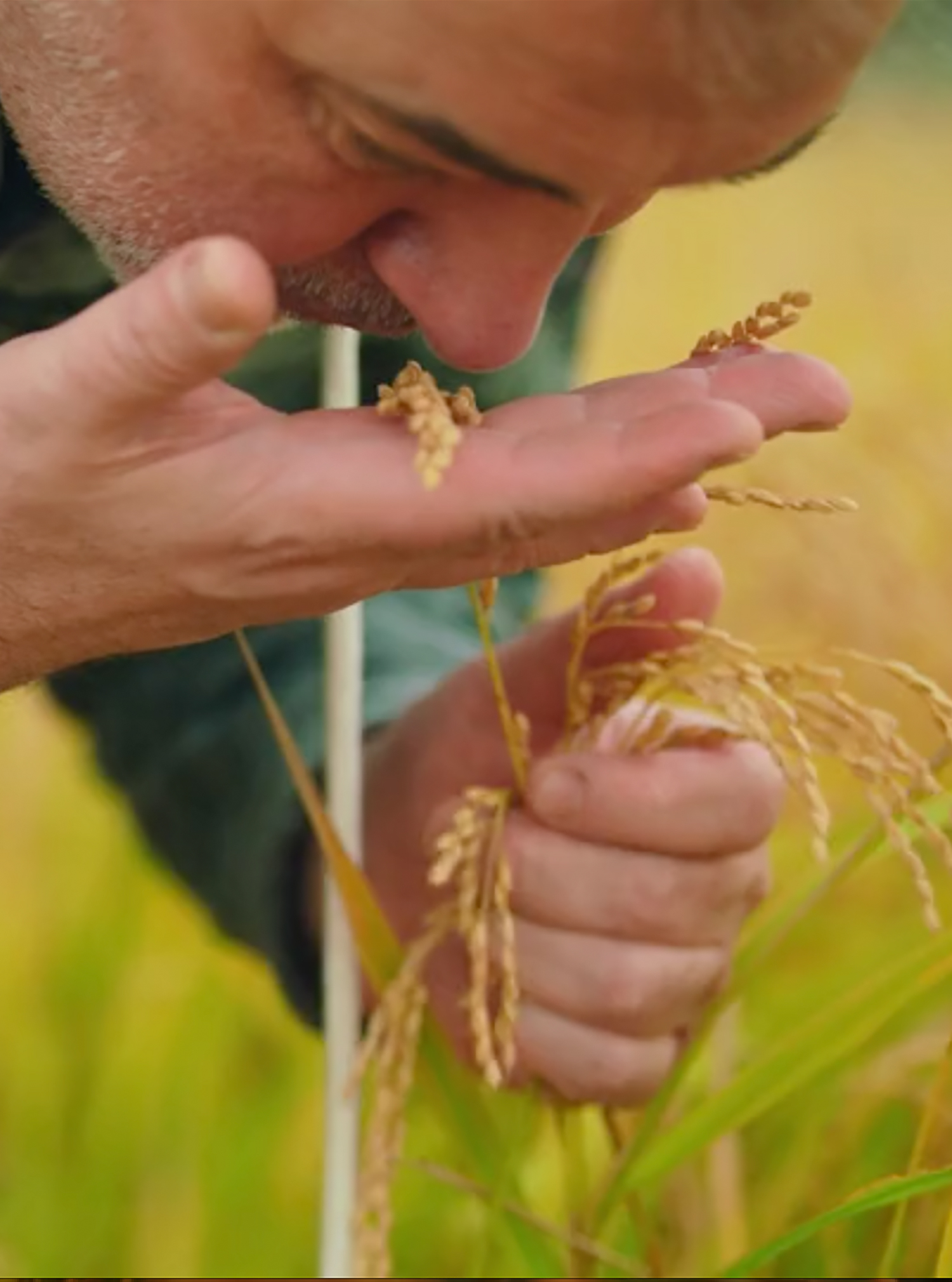
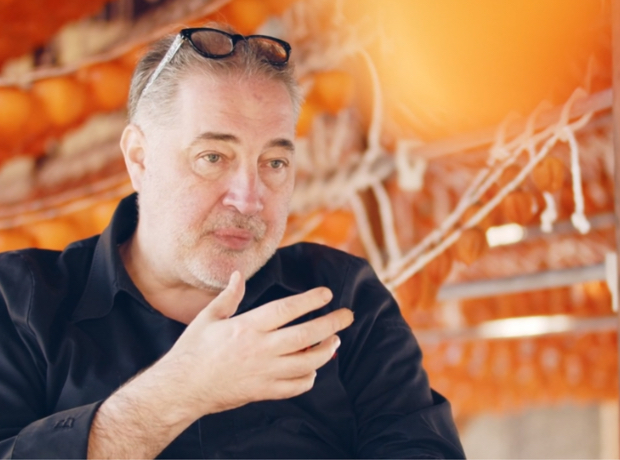
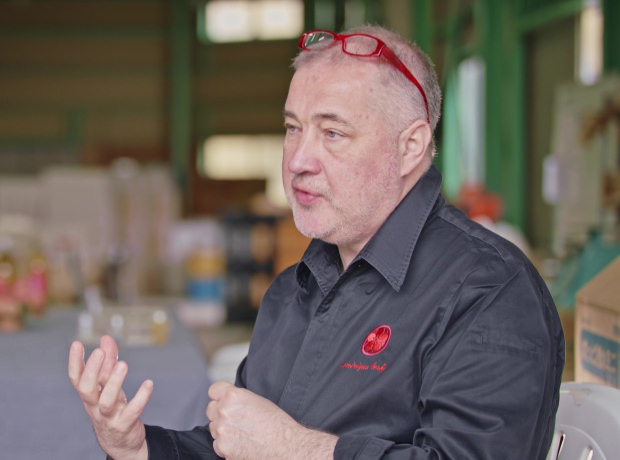
Chef Dominique Corby and his assistants visited local producers in Fukushima to see, hear, taste and experience what the prefecture has to offer. They were blown away with what they found. Please enjoy this video!
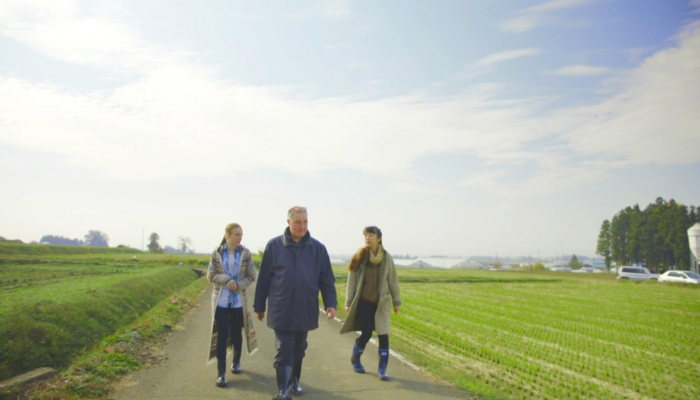
Movie01Rice from Fukushima
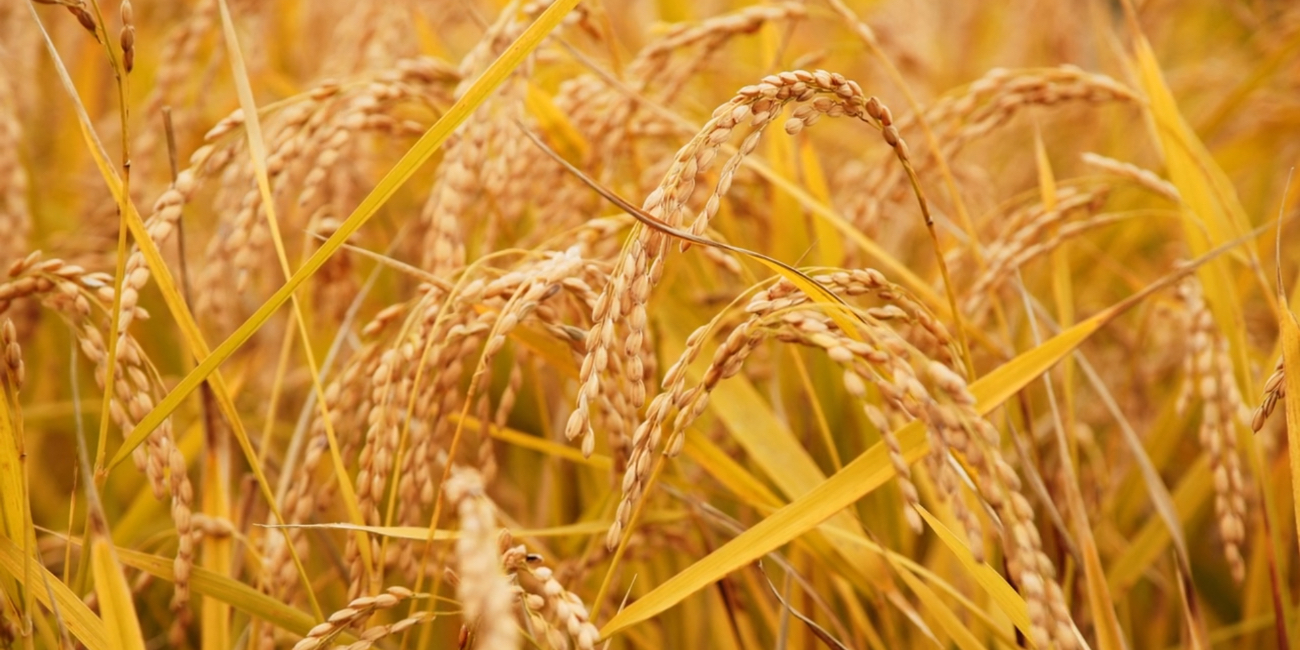
Rice from Fukushima
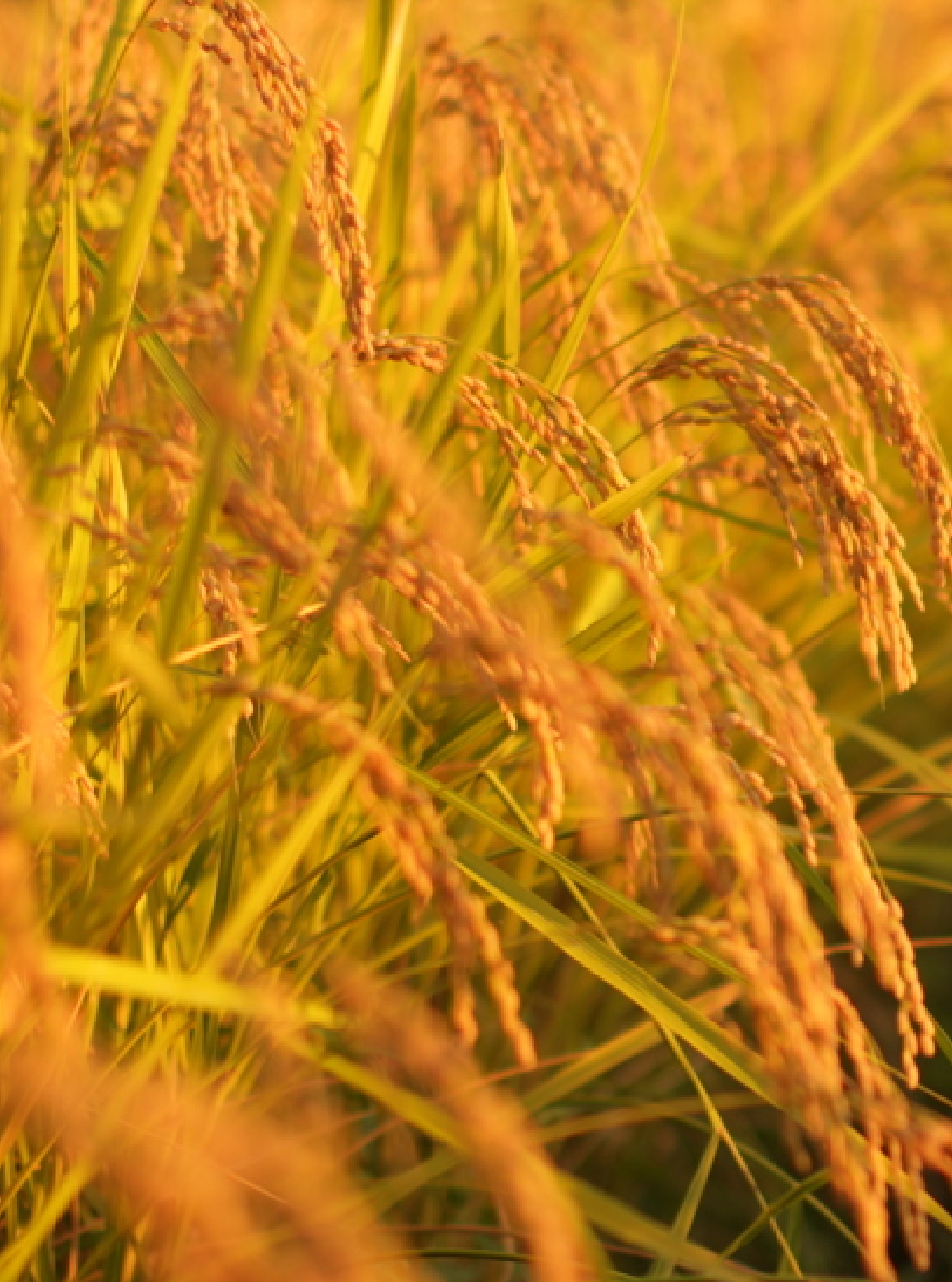
Each grain of rice from Fukushima is packed with the pride of its grower
Fukushima characteristically has a large diurnal temperature range: it is sunny and warm during the day and cold at night. The land is also blessed with clean water and rich soil. Its environmental conditions are perfect for growing delicious rice. The rice varieties include Koshihikari and Hitomebore, in addition to original varieties from the prefecture, such as Tennotsubu and Satoyamanotsubu. These varieties are well known for their tastiness. The Japan Grain Inspection Association has given these varieties the high rating of Special A and A.
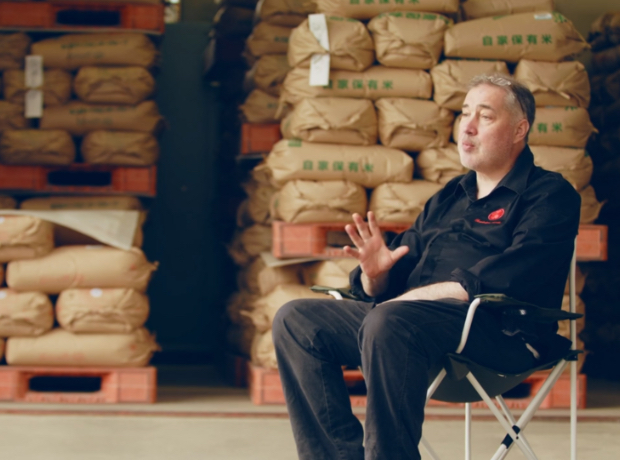
Interview
Movie02Kawamata-shamo (Fighting cocks)
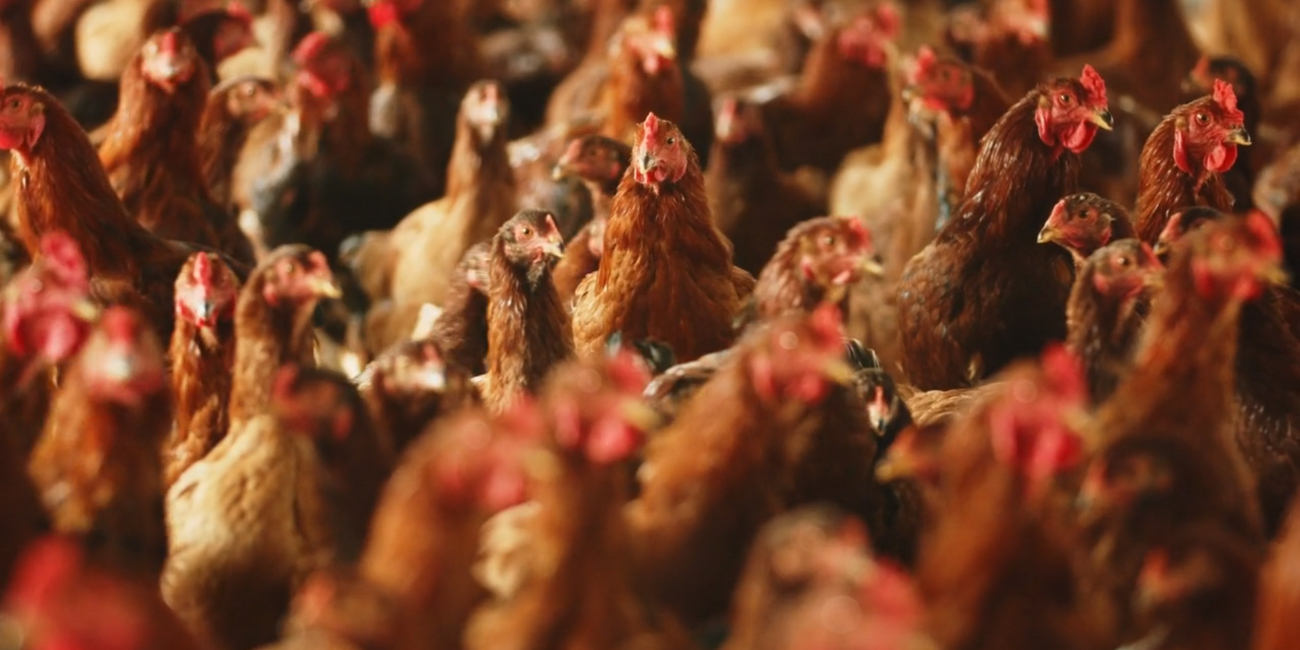
Kawamata-shamo(Fighting cocks)
“The perfect balance between chewiness and juiciness”
Kawamata-shamo is a variety that originated from fighting cocks and has repeatedly undergone improvements. Characterized by its red feathers and pea comb, this species is strong, well grown and reared in an area that is large enough for the fighting cocks to move around. They move a lot, so their meat is firm-textured and is moderately chewy. However, it is low in calories. Kawamata-shamo goes well with all cuisines. It tastes particularly exquisite when boiled in a pan of soup.
Interview
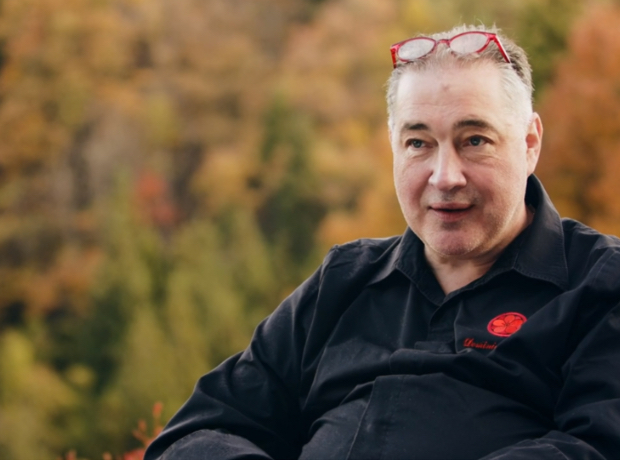
Movie03Beef from Fukushima
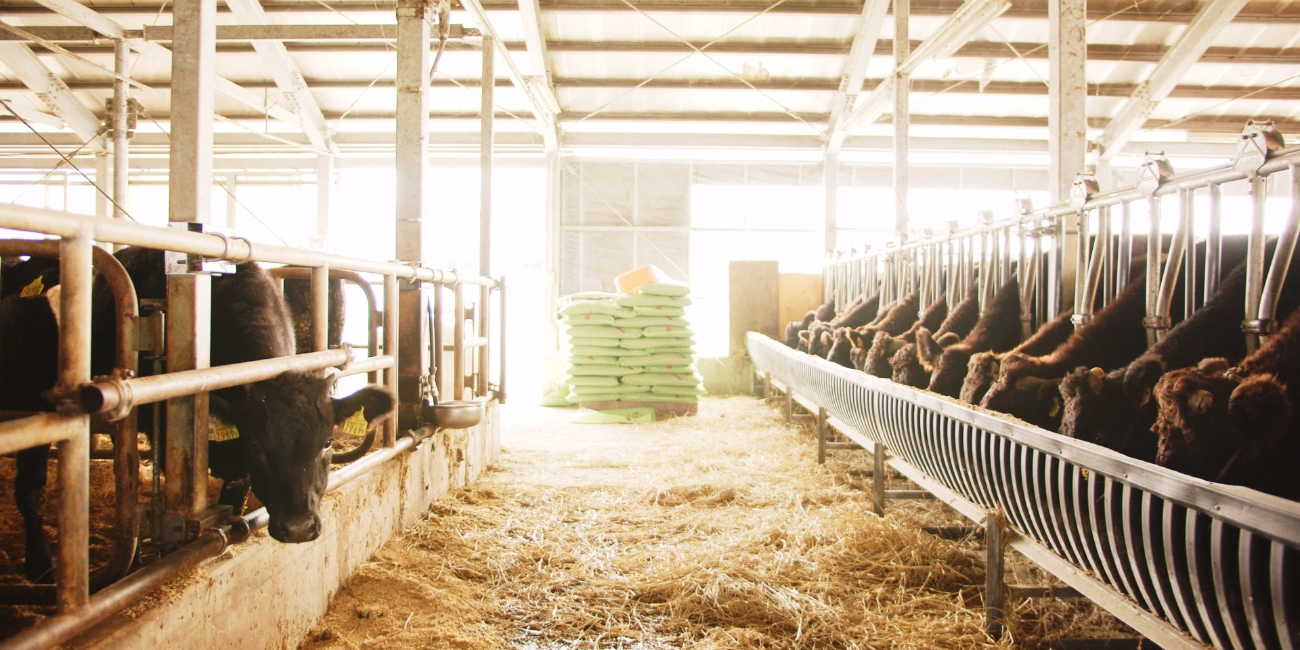
Beef from Fukushima
Fukushima prefecture is proud of its high-quality beef
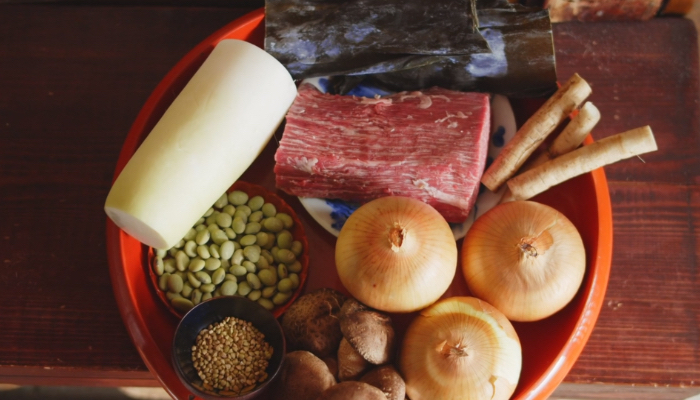
Fukushimagyu (Fukushima beef) is a variety of Japanese black beef that is raised and produced in Fukushima prefecture. The products that have been rated as Grade 4 or higher by the Japan Meat Grading Association are branded as Fukushimagyu, the finest brand of beef from Fukushima. With its vivid colors and good marbling, Fukushimagyu maximizes the characteristics of Fukushima beef and is carefully grown by local livestock farmers. The beef is rich and mild in flavor.
Interview
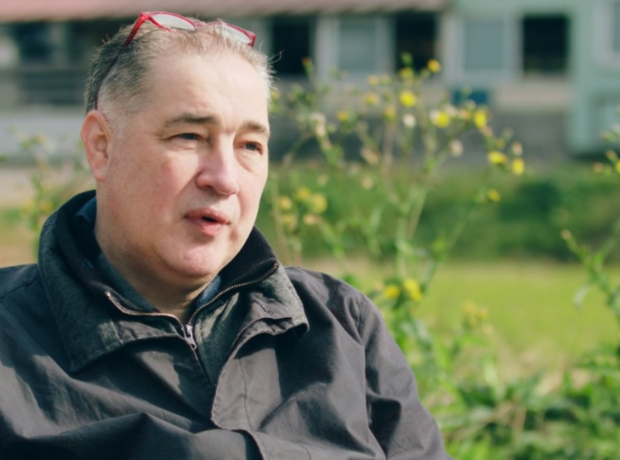
Movie04Anpogaki(Dried persimmon)
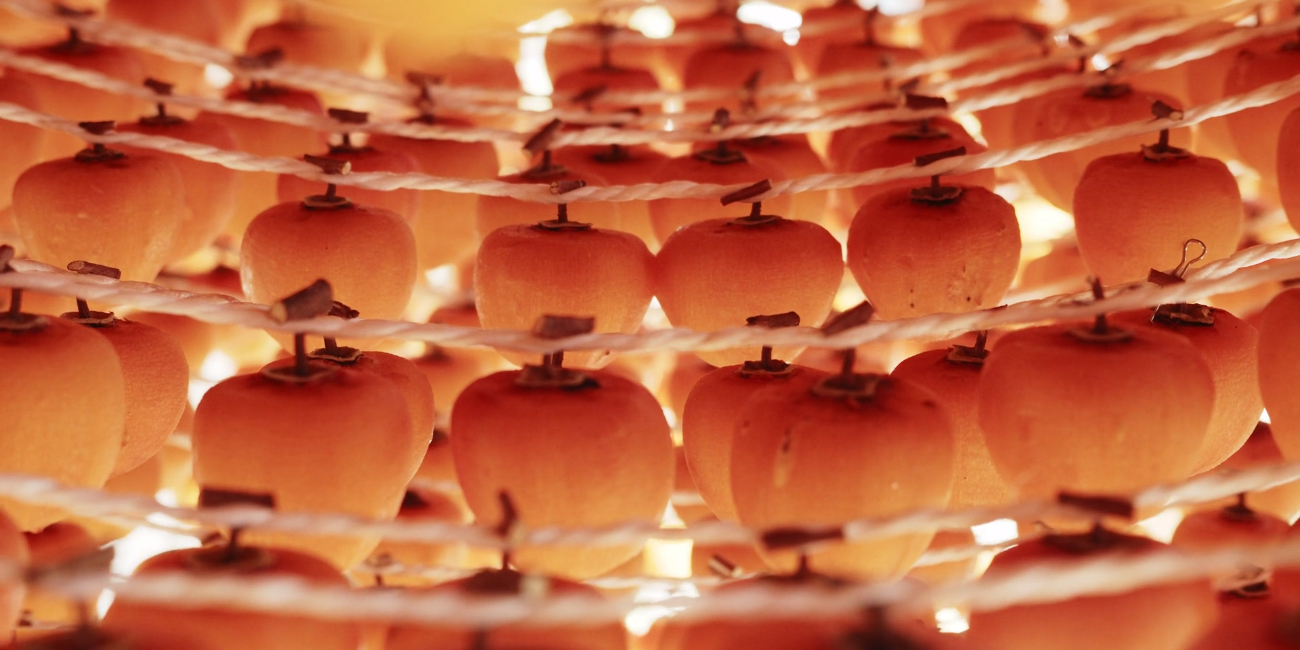
Anpogaki (dried persimmon)
“A supreme product born of skill originating in Fukushima”
The production of anpogaki dates back to the Taisho period (1912 – 1926), when the sulfuration technique that was used to make raisins in the United States was tentatively applied to persimmons. After a great deal of study, they were successful. Anpogaki have a moist surface, plump jellied flesh and an elegant, rich sweetness and soft texture. Anpogaki are mainly grown in the Date area. It is because in November in this area, the temperature drops, dry winds begin blowing and the climate becomes optimal for drying and processing persimmons. It takes 40 – 60 days to carefully and uniformly dry the flesh of the persimmon all the way to its cone creating the tasty anpogaki.
Interview
Movie05Peaches from Fukushima
Peaches from Fukushima
Prefecture were displayed at Key Fruits from Fukushima, a Major Fruit Production Area.
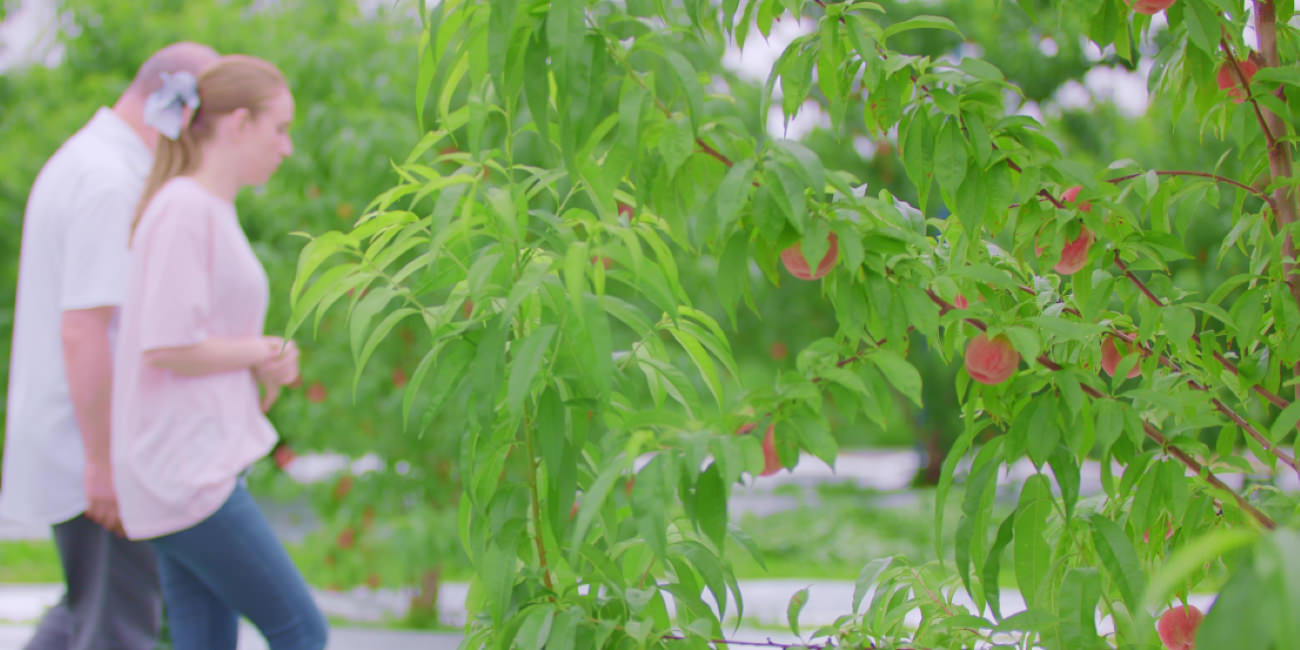
Peaches are one of the major fruits produced in the area, and are indeed the pride of Fukushima. Fukushima produces 20% of all Japanese peaches. Having a long season, the best time to enjoy them is between the end of June and mid-September. Many producers grow peaches in the region’s basins. The summer heat gives them a high sugar content, producing delicious peaches. While Akatsuki is the most popular cultivar, Hatsuhime, a cultivar originating in Fukushima, and Yuzora, which is the finest tasting, are also well known.
Interview
Fukushima Food
To ensure the safety of its locally grown food ingredients, Fukushima prefecture thoroughly conducts numerous tests at each of the production, distribution and consumption stages. The Fukushima Prefectural Government has from the beginning worked with regions, producers and distributors to ship delicious products.
The secret of the tastiness of ingredients from Fukushima
Fukushima prefecture is divided into three different areas: Hamadori (Coastal region), Nakadori (Central region) and Aizu region. Each of these areas have its own characteristics and varying climates. The local people have leveraged these climates and nurtured a variety of food cultures.
Chef : Dominique Corby
Dominique began cooking at the age of 15. After working as a sous-chef at La Tour d’argent in Paris, he came to Japan for the first time in 1994 and became an executive chef at La Tour d’argent Tokyo (Hotel New Otani Tokyo). In the subsequent period of more than 20 years, he acquired detailed knowledge of Japanese traditional ingredients and recipes and created his own original style, French kappo. This style involves the minimal use of butter, fresh cream and flour and is suited to over-the-counter Japanese-style French meals prepared with Japanese ingredients and broth. With his reliable skills, he appeared in the famous cooking TV program Icon Chef (Ryori-no-tetsujin). After the Great East Japan Earthquake, he also became a Fukushima supporter and continues to skillfully draw out the true attractiveness of the ingredients he uses.
- - Career -
- Born in Paris in 1965. Started his cooking career at the age of 15. In 1991, he became a sous-chef at La Tour d’argent, a celebrated restaurant in Paris that was established in 1582. In 1994, he was appointed an executive chef at La Tour d’argent in Hotel New Otani Tokyo. In 2002, he became an executive chef at Hotel New Otani Osaka and a lead chef at SAKURA, a French restaurant in the same hotel. Besides assuming the above roles, he also served as a gastronomy producer at le 6eme sens d’oenon in Ginza from 2003 to 2013. In 2008, he opened LE MIYABI, a French-Japanese style, fine bistro in the suburbs of Paris. In 2013, he became an executive chef at Le Cordon Bleu Japan. His French kappo restaurant, was opened in Yotsuya Arakicho in 2015.
- - Awards and activities -
- Received the Chevalier, a French distinguished service award in agriculture, in 2007. Appointed a secretariat member of the Japanese branch of Académie culinaire de France in 2010. Established a general incorporated association named Lumière et Espoir pour le Japon (light and hope for Japan) in 2011. After starting by providing hot meals and transporting and distributing relief supplies in the disaster-affected areas in Tohoku. He has engaged in various activities for supporting the affected areas such as by promoting locally-grown ingredients with the aim of facilitating the reconstruction and revitalization of those areas. Appointed a vice-chairperson of the Japanese branch of Académie culinaire de France in 2013.